Instant Quotes for Freight Rates
Posted on: 2026-03-05
By: Annelize Botha
Understanding freight rates is crucial for optimizing logistics strategies in South Africa. Here’s what you will learn to navigate these complexities effectively.
What You Will Learn
- Influencing Factors: Market demand, fuel prices, seasonal trends, and distance all play significant roles in freight rate variability.
- Pricing Models: Understanding the differences between per kilogram and flat fee models can help you choose the most cost-effective method for your shipments.
- Loading Techniques: Efficient loading can minimize costs and prevent the need for larger trucks, affecting overall freight expenses.
- Regional Dynamics: Different logistics hubs like Gauteng, Durban, and Cape Town each have unique pricing influences that can impact your logistics strategy.
- Broker Relationships: Collaborating with experienced freight brokers can lead to better negotiation outcomes and service options.
- Cost Transparency: Clear cost breakdowns foster trust and help in effective budget planning, making comparisons easier.
- Cost Calculators: Utilizing comprehensive cost calculators can provide tailored pricing insights based on various factors like weight and distance.
Factors Influencing Full-Truckload Freight Rates in South Africa
Understanding the key drivers behind freight rate variability is crucial for effective logistics management. The visual below highlights the primary influences and pricing models.
Influences on Freight Rate Variability
- 1Market Demand
- 2Fuel Prices
- 3Seasonal Trends
- 4Distance & Routes
These factors significantly impact your bottom line.
Key Freight Pricing Models
Choose the model that aligns with your operational goals.
Regional Hub Dynamics
- GGauteng: High competition, lower rates
- DDurban: Port congestion, higher costs
- CCape Town: Stable, varying market conditions
Optimize strategy based on regional characteristics.
Transparency & Tools
- ✓Clear cost breakdown
- ✓Budget planning with calculators
- ✓Real-time pricing adjustments
Leverage tools for informed decision-making.
Understanding Full-Truckload Freight Rates in South Africa
When diving into the world of logistics, understanding full-truckload freight rates in South Africa can feel overwhelming. However, grasping the factors that influence these rates is essential for making informed decisions. In this section, I’ll unpack the various elements that contribute to freight rate variability, helping you navigate the complexities of cost management effectively.
Freight rates are influenced by a myriad of factors, including regional dynamics, pricing models, and specific logistics requirements. As the founder of Botha Logistics & Transport, I’ve seen firsthand how these elements can impact your bottom line. Let’s explore what exactly drives those freight costs.

What Influences Freight Rate Variability?
The variability in freight rates can often be attributed to several key factors. Understanding these can empower you to negotiate better rates and optimize your logistics strategy. For instance, if you're shipping goods from Johannesburg to Durban, various elements like fuel costs and seasonal demand for this specific route, as detailed in our guide on Full Truckload Shipping from Johannesburg to Durban, will directly influence the final freight rate. Here are the primary influences:
- Market Demand: When demand for transport is higher, so are the rates.
- Fuel Prices: Fluctuating fuel costs significantly impact overall transportation expenses.
- Seasonal Trends: Certain seasons may see increased shipping activity, affecting pricing.
- Distance and Routes: Longer hauls or complex routes often come with higher costs.
By keeping these influences in mind, you can better prepare for the financial aspects of freight management. Additionally, recognizing how each factor plays into the overall rates can lead to smarter logistical decisions.
Key Pricing Models Explained: Per Kilogram vs. Flat Fees
When it comes to pricing models for freight transport, there are two common methods: per kilogram and flat fees. Each has its advantages and considerations. With a per-kilogram model, rates are calculated based on the weight of your cargo. This can be cost-effective for lighter loads but may add up for heavier shipments.
On the other hand, a flat fee model offers simplicity, providing a single rate regardless of weight. This can be advantageous when shipping heavier items where the per-kilogram cost might otherwise inflate your expenses. It’s essential to evaluate your logistics needs and choose the model that best aligns with your operational goals.
Loading and Weight Considerations: How They Affect Costs
Loading techniques and weight considerations are critical in determining your freight costs. Not only does the weight of your cargo affect pricing, but how it's loaded can also play a role. For instance, improper loading can lead to wasted space, which might necessitate a larger truck than needed, ultimately increasing your costs. To ensure your goods are transported safely and efficiently, consider implementing robust cargo safety tips for road freight, which can also indirectly impact overall costs by preventing damages and delays.
Moreover, understanding weight limits and how they interact with freight rates ensures you don’t encounter unexpected fees. Always remember, efficient loading and careful planning can lead to substantial savings!
Regional Hubs and Their Pricing Dynamics
In South Africa, logistics pricing is highly influenced by regional hubs. Each hub has unique dynamics that can affect freight rates. Here, I'll outline some key locations and their characteristics.
- Gauteng: This area is a logistical powerhouse, acting as the heart of South Africa’s freight activity.
- Durban: Known for its port, which connects to international markets, but often faces congestion issues.
- Cape Town: Another vital port city, where costs can fluctuate based on market conditions.
Understanding these hubs is essential for optimizing your freight transport strategy. Each region offers opportunities for cost savings, but also potential challenges that need to be navigated carefully.
Gauteng: The Heart of Logistics Activity
Gauteng is often referred to as the hub of logistics in South Africa. With its central location, it provides easy access to major markets. As a result, this region often sees higher competition among freight carriers, which can help drive rates down. However, it also means that you need to stay ahead of demand fluctuations to secure the best pricing!
By tapping into Gauteng's logistics network, you can streamline your freight processes and improve overall efficiency. Our team at Botha Logistics & Transport is well-versed in navigating this dynamic environment.
Durban and Cape Town: Port Costs and Market Conditions
Both Durban and Cape Town are critical to South Africa's shipping landscape. Durban, with its bustling port, often experiences congestion which can lead to delays and increased costs. In contrast, Cape Town's port can be more stable but may have varying market conditions based on seasonal trends.
Understanding the nuances of these ports can help in planning effectively. It's important to keep an eye on market conditions and adjust your logistics strategies accordingly! For instance, understanding the challenges and solutions related to N3 Corridor Freight Challenges can provide valuable insights for optimizing routes between key hubs.
The Role of Freight Brokers and Trucking Companies in Rate Negotiation
Freight brokers and trucking companies play a significant role in negotiating rates. As a logistics professional, aligning yourself with experienced partners can result in better pricing and service options. They have valuable insights into market trends and can help you navigate the complexities of freight management.
At Botha Logistics & Transport, we pride ourselves on building strong relationships within the industry, ensuring that our clients receive the best possible rates and service. By leveraging these partnerships, you can gain a competitive edge!
Pro Tip
When negotiating freight rates, always keep a close eye on fuel price trends. Adjusting your logistics plan in response to fuel fluctuations can lead to significant cost savings. Consider locking in rates during periods of lower fuel prices to hedge against future increases!
Frequently Asked Questions About Freight Rates in South Africa
Q: What are the main factors influencing full-truckload freight rates in South Africa?
A: The main factors include market demand, fuel prices, seasonal trends, and the distance and complexity of routes. Regional dynamics of logistics hubs like Gauteng, Durban, and Cape Town also play a significant role.
Q: How do per-kilogram and flat-fee pricing models differ, and which should I choose?
A: Per-kilogram pricing charges based on the weight of your cargo and is generally cost-effective for lighter loads. Flat fees offer a single rate regardless of weight, which can be advantageous for heavier shipments due to its simplicity. The choice depends on your specific cargo and operational goals.
Q: How can efficient loading techniques save on freight costs?
A: Efficient loading prevents wasted space in a truck, which means you might not need a larger vehicle than necessary. This directly reduces transportation costs and helps avoid unexpected fees associated with inefficient space utilization.
Q: What role do regional hubs like Gauteng, Durban, and Cape Town play in freight pricing?
A: Each regional hub has unique characteristics that affect pricing. Gauteng, being a central logistics hub, often has higher competition and potentially lower rates. Durban, a major port, can experience congestion leading to higher costs. Cape Town, another port city, has rates influenced by varying market conditions and seasonal trends. Understanding these dynamics is crucial for optimizing your logistics strategy.
Q: Why is transparency important in freight pricing?
A: Transparency in freight pricing builds trust between clients and logistics partners. It allows for a clear breakdown of all costs, including surcharges, taxes, and fees, enabling effective budget planning and informed decision-making when comparing different service providers.
Summary of Key Insights on Freight Rates and Cost Calculators
In our exploration of freight rates, we’ve discovered several critical insights that can significantly impact your logistics decisions. Understanding how these rates work not only empowers you but also helps you make better decisions for your business. Remember, clarity in pricing is essential for effective logistics management!
By leveraging the right tools and resources, you can navigate the complexities of freight costs with ease. Utilizing cost calculators plays a vital role in this process, offering you the ability to quickly assess and compare rates across different logistics providers.
The Importance of Transparency in Freight Pricing
Transparency in freight pricing is key to building trust with your logistics partners. It allows you to see the breakdown of costs, helping you identify where your budget is going. When you get an estimate, you want to know exactly what you’re paying for, right?
- Clear breakdown of costs helps in budget planning.
- Understanding surcharges, taxes, and fees promotes trust.
- Ability to compare rates effectively enhances decision-making.
When working with Botha Logistics & Transport, I ensure that our clients receive clear and comprehensive quotes, so they know what to expect. This commitment to transparency not only fosters better relationships but also helps you feel confident in your freight decisions.
Making Informed Decisions with Comprehensive Cost Calculators
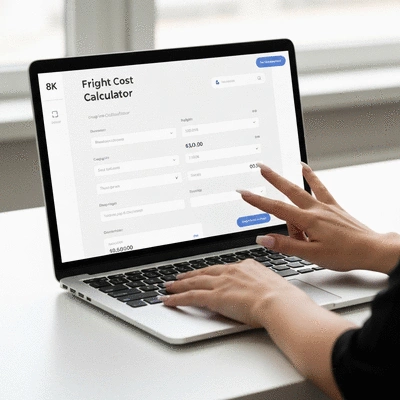
Cost calculators are invaluable tools in the logistics industry. They provide quick estimates, enabling you to budget effectively and plan your shipments. By incorporating various factors like weight, distance, and type of cargo, these calculators can offer tailored pricing insights.
- Input essential variables for accurate quotes.
- Compare different service providers effortlessly.
- Access real-time pricing adjustments for better accuracy.
As the owner of Botha Logistics & Transport, I encourage you to engage with these calculators to make informed decisions that align with your operational goals. The better informed you are, the more efficiently you can manage your logistics needs!
Call to Action: Start Your Freight Quote Journey Today
Are you ready to take the next step in optimizing your logistics strategy? Let’s make it simple for you. Taking advantage of our resources can streamline your freight process significantly!
Utilize Our Interactive Freight Cost Calculator
Our interactive freight cost calculator is designed to help you get accurate quotes quickly. Simply input your cargo details, and you’ll receive tailored pricing that reflects current market conditions. It’s a straightforward way to make sense of your shipping costs!
Connect with Leading Logistics Providers for Tailored Solutions
Don’t hesitate to reach out to Botha Logistics & Transport for personalized assistance. We pride ourselves on delivering effective logistics solutions tailored specifically to your needs. Let’s work together to ensure your freight transportation is smooth and efficient!
Recap of Key Points
Here is a quick recap of the important points discussed in the article:
- Understand Freight Rate Influences: Key factors include market demand, fuel prices, seasonal trends, and distance/routes.
- Choose the Right Pricing Model: Evaluate between per-kilogram and flat fee models based on your cargo and budget needs.
- Optimize Loading Techniques: Proper loading can minimize costs and avoid unexpected fees due to wasted space.
- Recognize Regional Pricing Dynamics: Familiarize yourself with logistics hubs like Gauteng, Durban, and Cape Town for effective cost management.
- Leverage Freight Brokers: Experienced partners can help negotiate better rates and optimize logistics strategies.
- Utilize Cost Calculators: Use tools to gain quick estimates, compare service providers, and make informed decisions.
 The logistics industry is constantly evolving, and the importance of cargo safety in long-distance r
 What if optimizing your freight schedules could save your company thousands in operational costs? Th
 What if you could transform your logistics strategy simply by understanding the underlying factors t