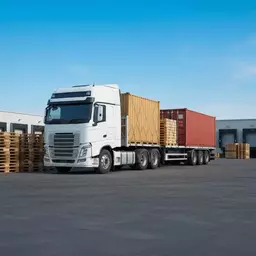
As the N3 Corridor continues to face challenges in freight logistics, understanding these issues is crucial for those involved in the industry. What innovative strategies can we implement to enhance efficiency and sustainability? Let's explore the key insights that can guide us.
What You Will Learn
The decline of rail freight share to just 15% significantly affects logistics costs and efficiency.
Increasing truck congestion on the N3 Corridor leads to delivery delays, impacting businesses reliant on timely shipments.
Delays at the Port of Durban can have cascading effects on cargo movement and overall economic growth.
Investment in logistics infrastructure in Gauteng can enhance freight movement and address current challenges.
Adapting through innovative solutions, such as Performance-Based Standards (PBS) trucks, is essential for overcoming congestion issues.
Engaging with local logistics networks is vital for staying updated on developments and contributing insights to improve freight efficiency.
Visual summary of the primary freight challenges along the N3 Corridor and proposed solutions for improved logistics efficiency.
Challenge 1: Decline in Rail Freight Share
Truck transport accounts for nearly 85% on the N3 Corridor, while rail's share has dropped to about 15%. This increases congestion and logistics costs.
Solution: Infrastructure Investment
Challenge 2: N3 Corridor Congestion & Overload
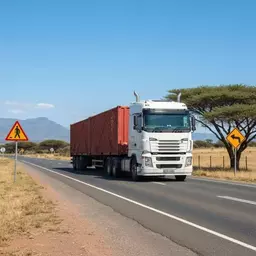
Increased truck traffic leads to several hours of delays and heightened road safety concerns, impacting delivery schedules and overall efficiency.
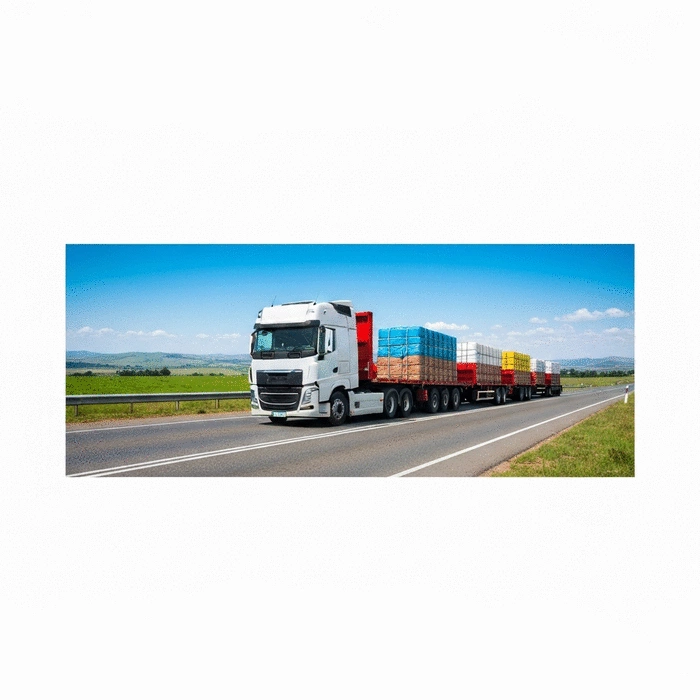
Solution: PBS Trucks & Intermodal Terminals
Challenge 3: Port Delays & Economic Impact
Delays at the Port of Durban increase shipping times and costs, negatively affecting overall GDP growth and goods pricing.
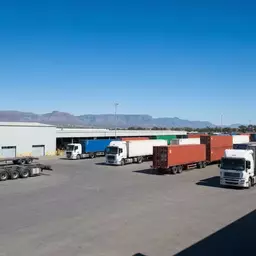
Solution: Enhanced Port Operations
Challenge 4: Logistics Infrastructure in Gauteng
Gauteng serves as a pivotal point for freight; however, continuous investment is needed to further enhance its infrastructure for improved efficiency.
Solution: Infrastructure Improvements & Tech
Understanding the N3 Corridor Freight Landscape: Challenges Ahead
The N3 Corridor is a vital artery for freight movement in South Africa, connecting Durban to Gauteng. However, this crucial route faces numerous challenges that impact the efficiency of logistics operations. As the founder of Botha Logistics & Transport, I’ve witnessed firsthand how these obstacles can affect long-haul cargo solutions and the overall economy.
One of the pressing issues is the decline of rail freight share, which has significant implications for our industry. Understanding these challenges is key to navigating the freight landscape effectively. For more insights on optimizing road freight, explore our guide on full truckload transport on the N3 Corridor.
The Decline of Rail Freight Share and Its Economic Impact
Rail freight has historically been a backbone of South African logistics, but recent trends show a worrying decline. According to recent statistics, rail transport's share of total freight has decreased significantly, leading to increased reliance on trucks. This shift has several economic impacts that are hard to ignore.
Current statistics on rail and truck freight usage
Currently, truck transport accounts for nearly 85% of freight movement on the N3 Corridor. In contrast, rail's share has dropped to about 15%. This shift not only places more trucks on the road but also exacerbates congestion and increases logistics costs.
The decline in rail usage has resulted in higher operational costs and longer transit times. When rail is underutilized, it creates a ripple effect that impacts freight efficiency across the board. As an industry, we must explore ways to revitalize rail transport and improve our logistics framework.
Congestion and Overload: The N3 Corridor's Growing Issues
As the N3 Corridor experiences increased truck traffic, congestion has become a significant issue. This overload not only impacts delivery schedules but also contributes to road safety concerns. Addressing these challenges is essential for maintaining efficient freight transport.
Analysis of truck congestion on the N3 route
Studies indicate that certain sections of the N3 see peak congestion during major freight movement times. This congestion can lead to delays of several hours, impacting businesses that rely on timely deliveries. With more trucks on the road, the need for effective traffic management becomes even more critical. You can learn more about managing these logistics by checking out our post on selecting long-haul logistics carriers.
How port delays affect cargo movement and GDP
Delays at the Port of Durban further complicate the situation, as they contribute to increased shipping times and costs. These delays can have a cascading effect on the economy, influencing everything from the price of goods to overall GDP growth.
Exploring the Role of Durban and Gauteng in Freight Management
Durban and Gauteng play pivotal roles in South Africa's freight management framework. The Port of Durban is the busiest port in the country, handling a significant volume of container traffic. Understanding the logistics infrastructure in these areas is crucial for improving freight efficiency.
Significance of the Port of Durban in cargo shipping
The Port of Durban is a critical entry point for imports and exports.
It serves as a hub for containerized cargo, linking various transport modes.
Efficient operations at the port can reduce lead times and costs for shippers.
The strategic importance of Durban cannot be overstated. Enhancing operations at this port can lead to more streamlined logistics processes across the board.
Logistics infrastructure in Gauteng and its impact on freight movement
Gauteng houses major distribution centers that serve as pivotal points for freight movement.
Well-developed road networks facilitate quick access to key markets.
Investment in infrastructure improvements can significantly enhance logistics efficiency.
By focusing on bolstering our logistics infrastructure in Gauteng, we can better support the overall freight movement and address the challenges posed by the N3 Corridor.
Pro Tip
To effectively navigate the challenges of the N3 Corridor, consider investing in performance-based standards (PBS) trucks. These vehicles are designed to improve efficiency and reduce congestion, enabling better freight movement while complying with safety standards. By optimizing your fleet with PBS trucks, you can not only enhance your operational capabilities but also contribute to a more sustainable logistics environment.
Summarizing Key Insights and Forward-Looking Perspectives
As we look at the freight landscape along the N3 Corridor, it's essential to acknowledge the pressing challenges and innovative solutions that we discussed earlier. The decline of rail freight, increasing congestion, and the pivotal roles played by Durban and Gauteng highlight the complexities we face. However, by embracing proposed infrastructure developments and leveraging technology, we can navigate these hurdles effectively.
In summary, the future of freight movement on the N3 Corridor hinges on our ability to adapt and implement these strategies. With a proactive approach, we can enhance efficiency and sustainability in our logistics operations.
The Importance of Adaptation in Freight Logistics
Adapting to the challenges in freight logistics is not just an option; it's a necessity for success. To illustrate this, let’s recap some primary challenges and the corresponding solutions we've explored:
Declining Rail Freight: Addressed through infrastructure investment and enhanced truck performance.
Congestion on the N3: Mitigated by implementing Performance-Based Standards (PBS) trucks and improved intermodal terminals.
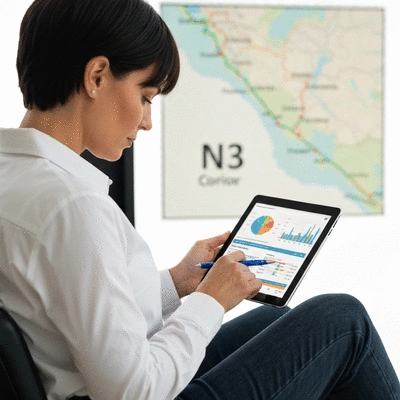
Technological Advancements: Utilized to enhance route planning and cargo handling through automated systems.
These solutions not only target existing issues but also promise to shape the future of freight movement by fostering a more responsive logistics network. The changes we implement today will set the tone for a resilient freight system tomorrow. For further reading on safe transport, consider these cargo safety tips for road freight.
Engaging with the N3 Corridor Freight Community
Opportunities for Stakeholders to Contribute
At Botha Logistics & Transport, we believe in the power of collaboration. I invite all logistics operators and stakeholders to share their insights and experiences regarding the N3 Corridor. Your feedback is invaluable as we work towards enhancing freight movement in our region.
To stay updated on developments affecting the N3 Corridor, consider engaging with local logistics networks and forums. Many resources are available to help you track changes that may impact your operations.
How to Stay Updated on N3 Corridor Developments
Join industry-specific newsletters and mailing lists.
Participate in local logistics and transport events.
Follow relevant social media channels and online forums.
By staying informed, we can all contribute to a more efficient freight environment in South Africa!
Call to Action: Collaborating for Better Freight Movement
Collaboration is key when it comes to finding innovative solutions to the challenges we face in freight logistics. I encourage you to reach out to your peers and explore partnerships that can lead to enhancements in our operations. Together, we can create a more streamlined process for freight movement.
Additionally, I recommend checking out the following resources for further research and engagement:
Freight Logistics Association publications
Local transport seminars and workshops
Online platforms for networking with logistics professionals
Exploring Sustainable Transport Solutions for the Future
As we look ahead, it's crucial to explore sustainable transport solutions that benefit both our industry and the environment. Adopting environmentally friendly freight practices can significantly enhance our operations while aligning with current and future regulations.
Implementing these practices not only improves the efficiency of logistics operations but also contributes positively to our community and planet. Let's work together to make logistics greener!
In conclusion, the path forward for the N3 Corridor is filled with opportunities for improvement. By engaging as a community and prioritizing innovative solutions, we can overcome the challenges we face and pave the way for a successful future in freight logistics.
Recap of Key Points
Here is a quick recap of the important points discussed in the article:
The N3 Corridor is crucial for freight movement but faces significant challenges, including the decline of rail freight.
Truck transport now represents approximately 85% of freight movement on the N3, leading to increased congestion and costs.
Congestion on the N3 not only affects delivery schedules but also raises safety concerns.
Investing in infrastructure and enhancing rail transport can improve overall freight efficiency.
Collaboration among logistics stakeholders is essential for addressing these challenges and improving freight movement.
Frequently Asked Questions (FAQs)
What are the main challenges facing the N3 Corridor freight logistics?
The primary challenges include the significant decline in rail freight share, leading to over-reliance on truck transport, increased congestion on the N3 Corridor, and delays at the Port of Durban, which all impact efficiency and costs.
How has the decline in rail freight impacted the N3 Corridor?
The decline in rail freight has shifted approximately 85% of freight movement to trucks on the N3 Corridor. This results in heightened road congestion, increased logistics costs, longer transit times, and road safety concerns.
What role do Durban and Gauteng play in South Africa's freight management?
The Port of Durban is critical as the country's busiest port, handling a vast volume of container traffic. Gauteng serves as a pivotal point for freight due to its major distribution centers and extensive road networks, making both essential for efficient freight movement.
What solutions are proposed to address congestion and improve efficiency on the N3 Corridor?
Proposed solutions include investing in logistics infrastructure, revitalizing rail transport, implementing Performance-Based Standards (PBS) trucks to reduce congestion, enhancing port operations, and leveraging technological advancements for better route planning and cargo handling.
Why is collaboration important for improving freight movement on the N3 Corridor?
Collaboration among logistics operators and stakeholders is crucial for sharing insights, exploring partnerships, and collectively finding innovative solutions to the complex challenges. This collective effort helps in creating a more streamlined and resilient freight system.
Subscribe & Share
2026-03-30
Cargo Safety Tips for Long Hauls
The logistics industry is constantly evolving, and the importance of cargo safety in long-distance r
Your premier resource for optimizing long-haul cargo movement across South Africa. We empower manufacturers, distributors, and procurement teams with reliable, efficient, and transparent logistics solutions and expert guidance.
Trusted by industry leaders, our mission is to provide comprehensive insights and services backed by Annelize Botha's deep expertise in freight management and cargo safety.