Cost Factors
- Pricing models
- Weight-based charges
- Seasonal variations
Timelines
- Average transit times
- Traffic impacts
- Weather conditions
Route Choices
- N3 route pros and cons
- Alternative routes
Get expert insights on long-haul cargo, freight scheduling, and cost efficiency directly to your inbox.
Posted on: 2026-02-03
By: Annelize Botha
Have you ever considered how a single shipping decision can streamline your logistics operations? Full-truckload (FTL) shipping not only enhances efficiency but also ensures safety and cost-effectiveness in transporting larger shipments.
Understanding these critical aspects will empower you to make informed decisions that align with your operational goals when selecting FTL shipping.
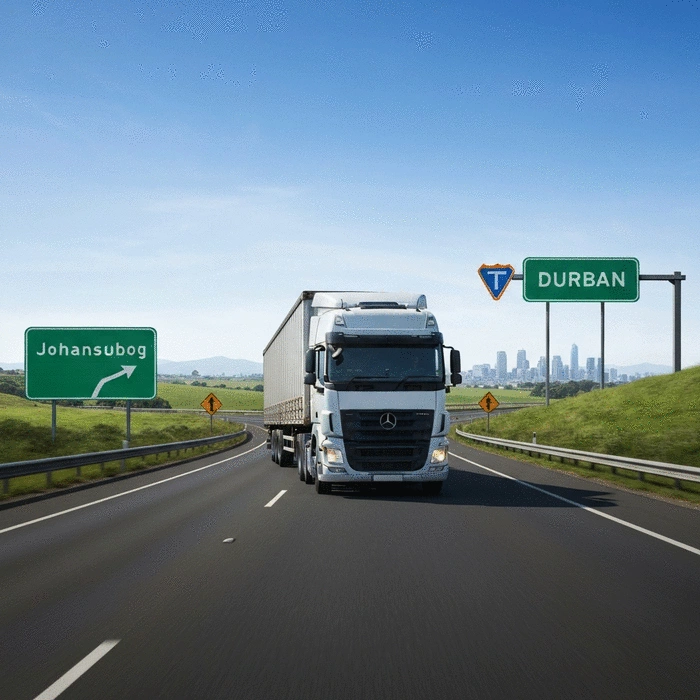
When it comes to logistics, understanding the nuances of full-truckload (FTL) shipping is crucial for making informed decisions. FTL shipping involves transporting goods in a dedicated truck, which can be a fantastic option for businesses needing to move large quantities of cargo. This method is especially relevant for routes like Johannesburg to Durban, where demand for reliable transport solutions is high.
As the owner of Botha Logistics & Transport, I've seen firsthand how FTL can streamline operations. By using a single truck for your shipment, you reduce the risk of mixing your cargo with others, leading to more efficient delivery times and enhanced safety.
Full-truckload shipping is a mode of freight transportation where an entire truck is reserved for one shipment. This allows for maximum utilization of space and resources. When you opt for FTL, your cargo has a dedicated route, minimizing delays often caused by multiple stops.
This method is ideal for large shipments, ensuring your products stay safe and arrive on time. Not only does this provide peace of mind, but it also enhances the overall efficiency of your logistics process. For more information on freight logistics systems in South Africa, you can refer to the Roadmap for the Freight Logistics System in South Africa from the Department of Transport.
Choosing FTL can greatly benefit your shipping strategy. One of the primary reasons businesses prefer this option is the cost-effectiveness when shipping large volumes. While it might seem pricier than less-than-truckload (LTL), the simplicity and speed often justify the expense.
By selecting FTL, you’re not just addressing transport needs; you’re enhancing your supply chain's overall reliability—something I strive for at Botha Logistics & Transport!
Freight forwarding plays a vital role in facilitating FTL shipping. Here are some key benefits of using a freight forwarder for your FTL needs:
Working with a freight forwarder can significantly enhance your shipping experience, ensuring smooth operations from start to finish. At Botha Logistics & Transport, we pride ourselves on being a trusted partner for our clients, guiding them through the complexities of freight management. The Department of Transport Annual Report highlights ongoing efforts to improve freight infrastructure and services within the country.
To enhance the efficiency of your full-truckload shipping, consider utilizing a dedicated freight forwarder. They can provide expert guidance, ensuring that you navigate the complexities of regulations and documentation effectively, while also negotiating better rates with carriers. This can lead to significant cost savings and a smoother shipping experience!
The primary benefit of FTL shipping is that an entire truck is reserved for a single shipment, ensuring dedicated space, faster transit times, and enhanced security for your cargo by minimizing handling and reducing the risk of mixing with other goods.
While FTL shipping might have a higher upfront cost, it can be more cost-effective per unit for large shipments. Its efficiency and reduced risk of damage can lead to overall savings compared to LTL options, especially when shipping high volumes.
A freight forwarder can assist with FTL shipping by providing expert guidance on routes and regulations, leveraging their negotiation power to secure better rates with carriers, and offering risk management to ensure smoother operations.
When choosing an FTL carrier, consider their reputation, service level agreements (SLAs), reliability ratings, capacity, and availability. It’s also important to request detailed pricing breakdowns, including any potential hidden fees.
As a shipper, your responsibilities include providing accurate shipping information and documentation, promptly communicating any changes to the carrier, and ensuring your goods are properly packaged and labeled to facilitate a smooth shipping process.
As we wrap up our discussion on full-truckload shipping, it's essential to consolidate the most critical elements that influence your shipping decisions. From understanding cost factors to timelines and route choices, each aspect plays a pivotal role in optimizing your logistics strategy. Here’s a quick recap of what we’ve covered:
Understanding these aspects will empower you to make informed decisions that align with your operational goals. As the founder of Botha Logistics & Transport, I emphasize the importance of evaluating these factors carefully to ensure a smooth shipping process.
Choosing the right shipping solution goes beyond just cost. It's about finding a balance between reliability, safety, and efficiency. When you assess your full-truckload shipping needs, consider the following:
By taking these steps, you’ll not only enhance your logistics process but also foster stronger relationships with your carriers. Remember, an informed decision today can lead to smoother operations tomorrow!
The next step in optimizing your shipping process is reaching out to potential carriers for quotes. It’s important to ask the right questions to ensure you’re comparing apples to apples. Here’s what to keep in mind:
By being thorough in your inquiries, you can make a more informed choice that aligns with your logistical needs.
In today’s digital age, online resources are invaluable for staying informed. Websites like ours at Botha Logistics & Transport provide essential insights into shipping practices, market trends, and efficient logistics strategies. Here are some tools you should consider:
Leveraging these resources will help you stay ahead in the ever-evolving logistics landscape.
Finally, it's crucial to understand your responsibilities as a shipper. This knowledge not only ensures compliance but also enhances operational efficiency. Here are key responsibilities to keep in mind:
By fulfilling these responsibilities, you can contribute to a smoother shipping process and better outcomes for all parties involved. At Botha Logistics & Transport, we're here to guide you every step of the way!
Here is a quick recap of the important points discussed in the article: