Optimize Your Logistics!

Get expert insights on long-haul cargo, freight scheduling, and cost efficiency directly to your inbox.

Full-Truckload Transport on N3 Corridor


**Ultimate Guide to Full-Truckload Cargo Transport on South Africa's N3 Gauteng-Durban Corridor**

Posted on: 2026-02-03
By: Annelize Botha


What if optimizing your logistics strategy could lead to significant cost savings and efficiency improvements? In the world of freight transport, understanding the nuances of Full-Truckload (FTL) shipping along critical corridors like the N3 can transform your operations.

What You Will Learn

  • The N3 corridor is a crucial route for freight traffic, connecting major economic hubs in South Africa.
  • Full-Truckload (FTL) shipping is more cost-effective and faster than Less Than Truckload (LTL) shipping.
  • Understanding the unique features of FTL cargo helps optimize logistics planning and execution.
  • Strategic partnerships and compliance with regulations are essential for successful freight operations.

Key Insights for Successful FTL Transport on the N3 Corridor

The N3 corridor is vital for Full-Truckload (FTL) cargo, connecting Gauteng and Durban. The summary below highlights the critical factors for optimizing FTL transport, from understanding the route's importance to implementing effective security measures.

N3 Corridor: Vital Artery

Connects Gauteng & Durban, handling vast freight volume and impacting the national economy.

FTL vs. LTL Shipping

  • FTL: Dedicated, faster, less damage risk.
  • LTL: Consolidated, multiple stops, higher risk.

FTL Key Features

  • High Cargo Capacity: Bulk shipments.
  • Flexibility: Scheduled pickups/deliveries.
  • Challenges: Road conditions, regulations.

Strategic Partnerships & Planning

Crucial for navigating regulations, mitigating security risks, and optimizing logistics for client satisfaction.

Understanding Full-Truckload Cargo Transport on the N3 Corridor

The N3 corridor is a vital artery in South Africa's freight landscape, connecting Gauteng and Durban. This route experiences significant traffic volume, with thousands of trucks traveling daily to meet the country's transportation needs. It's not just about moving goods; the N3 impacts the economy, facilitating trade and supporting numerous industries across the nation! The significant role of the N3 is further highlighted in the N2-N3 Traffic Management Plan Report, which details traffic volumes and management strategies for this critical infrastructure.

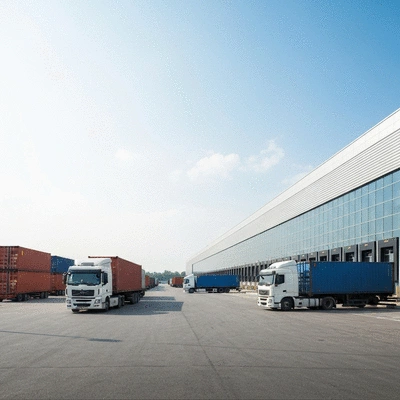
Modern logistics hub with trucks and cargo containers

With the N3 being the primary road for long-haul transport, its importance cannot be overstated. Efficient operations along this corridor contribute to reduced transit times, lower costs, and ultimately, a stronger economy. As the founder of Botha Logistics & Transport, I’ve seen firsthand how critical this route is for our clients’ success and their logistics strategies.

The Importance of the N3 Gauteng-Durban Freight Route

The N3 corridor is essential for several reasons:

  • High Traffic Volume: It handles a vast majority of freight traffic between major economic hubs, making it a key player in supply chain dynamics.
  • Economic Impact: By facilitating the movement of goods, the N3 bolsters not only local businesses but also national trade.
  • Job Creation: The corridor supports thousands of jobs in logistics and transportation, underpinning livelihoods across South Africa.

These factors emphasize the importance of maintaining and optimizing this crucial route. At Botha Logistics, we are dedicated to ensuring that our clients can navigate this corridor with efficiency and safety in mind!

What is Full-Truckload (FTL) Shipping?

Full-Truckload (FTL) shipping refers to transporting goods that fill an entire truck trailer. Unlike Less Than Truckload (LTL) shipping, where multiple shipments are consolidated into one vehicle, FTL offers distinct operational advantages. This method is particularly beneficial on the N3 corridor due to the volume of goods moving between Gauteng and Durban, a factor that is integral to South Africa's Freight Logistics Roadmap.

Some of the key benefits of FTL include:

  • Cost-Effectiveness: Shipping a full truck can be cheaper than paying for multiple smaller shipments.
  • Reduced Transit Times: With dedicated trucks, delivery times are typically faster compared to LTL.
  • Minimized Risk of Damage: Fewer handling points mean lower chances of cargo being damaged or lost.

Choosing FTL shipping not only simplifies logistics but also enhances operational efficiency. As we continue to provide long-haul solutions, we always emphasize the value of FTL for our clients!

Key Features of Full-Truckload Cargo in South Africa

In the South African trucking industry, Full-Truckload cargo has several defining characteristics:

  • High Cargo Capacity: FTL allows for transporting large volumes, making it ideal for bulk shipments.
  • Flexibility: Clients can schedule pickups and deliveries based on their unique timelines.
  • Challenges: Issues like road conditions and regulatory compliance can impact FTL operations.

Understanding these features is crucial for manufacturers and distributors when planning their logistics. At Botha Logistics, our expertise in navigating these challenges helps our clients optimize their freight operations effectively.

Frequently Asked Questions about FTL Transport on the N3 Corridor

What is the N3 corridor and why is it important for freight transport?
The N3 corridor is a vital artery in South Africa, connecting Gauteng and Durban. It handles a significant volume of freight traffic, impacting the national economy, facilitating trade, and supporting numerous jobs in logistics and transportation.
How does Full-Truckload (FTL) shipping differ from Less Than Truckload (LTL) shipping?
FTL shipping involves dedicating an entire truck trailer to a single shipment, offering advantages such as cost-effectiveness, reduced transit times, and lower risk of damage. LTL shipping, conversely, involves consolidating multiple smaller shipments into one truck, which can lead to more stops and a higher risk of delays or damage.
What are the key benefits of choosing FTL shipping for businesses?
The main benefits of FTL shipping include its cost-effectiveness for large volumes, faster delivery times due to direct routes, and a minimized risk of cargo damage because of fewer handling points.
What challenges might businesses face when using FTL transport on the N3 corridor?
Businesses may encounter challenges such as varying road conditions, the need to comply with specific transportation regulations, and security risks. Strategic partnerships and proactive planning are essential to navigate these issues effectively.
How can businesses optimize their FTL transport strategy on the N3?
Optimizing FTL transport involves recognizing the importance of the N3 corridor, making informed choices between FTL and LTL, selecting reliable freight partners, staying updated on regulations, and implementing robust security measures. This comprehensive approach enhances efficiency and client satisfaction.
We Want to Hear From You!

What challenges have you faced when planning Full-Truckload (FTL) transport on the N3 corridor? Share your thoughts with us below:

Recap of Key Insights for Successful FTL Transport

As we wrap up our discussion on optimizing Full-Truckload (FTL) transport along the N3 corridor, it's crucial to highlight the key strategies we've explored. Understanding the significance of the N3 route, differentiating FTL from Less Than Truckload (LTL) shipping, and recognizing the unique features of FTL in South Africa are foundational steps. These insights lay the groundwork for operational success.

Logistics professional analyzing a digital map with truck routes

Additionally, we covered essential considerations such as choosing the right freight partners, understanding transportation regulations, and navigating security challenges. It's all about proper planning and strategic partnerships that can transform your logistics operations and ultimately improve service delivery. Efforts to improve efficiency and decarbonize transport are also being explored, as detailed in the WEF report on Decarbonizing South Africa's Shipping and Trucking Sectors.

  • Recognize the importance of the N3 corridor in freight movement.
  • Differentiate between FTL and LTL for informed shipping choices.
  • Select reliable freight partners based on key criteria.
  • Stay updated on transportation regulations and compliance.
  • Implement security measures to mitigate risks during transport.

By keeping these core insights in mind, you'll be well-equipped to enhance your FTL transport strategies. Remember, the right approach not only promotes efficiency but also boosts client satisfaction.

Next Steps for Your Cargo Transport Strategy

Now that you've gained valuable insights into FTL transport, it's time to take action! I encourage you to evaluate your current logistics operations critically. Consider which practices align with the best strategies we've discussed, and where adjustments might be needed. At Botha Logistics & Transport, we understand that every client has unique needs, and we’re here to support you every step of the way!

To enhance your FTL operations further, don’t hesitate to reach out for expert consultations. Our experience in the South African transport landscape allows us to provide tailored solutions that meet your operational goals. Let’s work together to optimize your freight transport strategy and ensure smooth sailing on the N3 corridor!

Recap of Key Points

Here is a quick recap of the important points discussed in the article:
  • The N3 corridor is vital for freight movement between Gauteng and Durban, impacting the economy and job creation.
  • Full-Truckload (FTL) shipping is cost-effective and reduces transit times compared to Less Than Truckload (LTL) shipping.
  • Key features of FTL include high cargo capacity, flexibility in scheduling, and the need to navigate challenges like road conditions.
  • Choosing reliable freight partners and staying updated on transportation regulations are crucial for successful FTL operations.
  • Implementing security measures can mitigate transport risks and enhance overall logistics efficiency.

Subscribe & Share
Cargo Safety Tips for Long Hauls Cargo Safety Tips for Long Hauls The logistics industry is constantly evolving, and the importance of cargo safety in long-distance r
Optimizing Freight Scheduling in South Africa Optimizing Freight Scheduling in South Africa What if optimizing your freight schedules could save your company thousands in operational costs? Th
Understanding 2026 Truckload Transport Rates Understanding 2026 Truckload Transport Rates What if you could transform your logistics strategy simply by understanding the underlying factors t
Banner
Botha Logistics & Transport

Your premier resource for optimizing long-haul cargo movement across South Africa. We empower manufacturers, distributors, and procurement teams with reliable, efficient, and transparent logistics solutions and expert guidance.

Trusted by industry leaders, our mission is to provide comprehensive insights and services backed by Annelize Botha's deep expertise in freight management and cargo safety.

Learn More
Recent Posts
Cargo Safety Tips for Long Hauls Cargo Safety Tips for Long Hauls

The logistics industry is constantly evolving, and

Optimizing Freight Scheduling in South Africa Optimizing Freight Scheduling in South Africa

What if optimizing your freight schedules could sa

Understanding 2026 Truckload Transport Rates Understanding 2026 Truckload Transport Rates

What if you could transform your logistics strateg

Logistics Insights & Transport Tips